Breathing clean air is essential for living and maintaining a healthy life. Indoor air quality is easy to forget about, although many of us spend the majority of our time inside. Whether it’s an office building or a healthcare facility, air quality is important. The conversation around indoor air purification has intensified in recent years due to COVID-19. Two effective ways of cleaning indoor air are bipolar ionization and ultraviolet irradiation in your HVAC systems.
Bipolar Ionization
Bipolar Ionization, or BPI, converts oxygen molecules to charged ions using electric voltage. These charged ions are effective against viruses, bacteria, and mold. The ions attach to contaminants and make them large enough for HVAC system filters to capture them. Some contaminants become heavy enough to fall onto surfaces that are easier to clean.
BPI also removes organic compounds, odors, and allergy-causing dangers. Bipolar Ionization doesn’t replace MERV air filtration but helps boost the filtration system.
Ultraviolet Irradiation
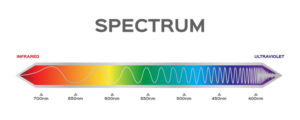
Ultraviolet light is one of several types of light that exist within the entire light spectrum. UV lamps have long been used to control infectious microorganisms in medical facilities. A UV-C fluorescent lamp generates light that can inactivate mold, bacteria, and viruses.
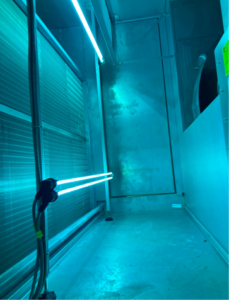
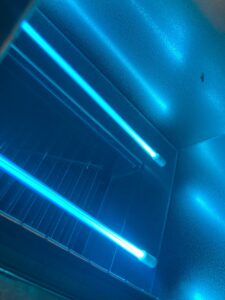
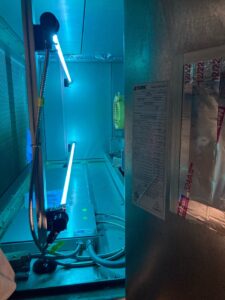
Ultraviolet HVAC systems come in two main categories: air sterilization and coil sterilization. Air Sterilization is an in-duct system. It disinfects the air as it moves through the ducts of an HVAC system. Coil Sterilization is a more targeted approach to zapping air pollutants. UV HVAC devices are placed near high-risk components such as condensation pans to keep them clean.
Clean Indoor Air Using HVAC Systems
Both bipolar ionization and ultraviolet irradiation are effective ways to ensure the air you’re breathing is clean and healthy. Keeping indoor air free of contaminants starts with your HVAC system. If you’re considering one of these options for an upcoming project or can’t decide between the two, contact the experts at ColonialWebb. The trusted experts at ColonialWebb will advise you on the best system for your big project!
Indoor air quality is critical for maintaining a healthy and safe environment for building occupants. Unfortunately, pollutants, allergens, and microorganisms such as bacteria, viruses, and mold can contaminate indoor air, leading to various health issues. Ultraviolet Germicidal Irradiation (UVGI) is a technology that uses ultraviolet (UV) light to inactivate and destroy microorganisms, preventing them from becoming biological hazards.
Biofilm in HVAC Systems
Biofilm is a complex microbial matrix of mold and bacteria that grows on the fins of the HVAC system’s evaporator coils, drain pans, and ducts. What appears as dirt, slime, or sludge on the surfaces of these components is, in fact, biofilm. Biofilm can also grow on other surfaces where moisture and nutrients are present. The presence of biofilm in HVAC systems can create serious health hazards for building occupants.
Numerous studies have demonstrated that improper maintenance of HVAC systems can contribute to the growth and dissemination of pathogenic, opportunistic bacteria, viruses, and mold. Biofilms release metabolic products known as volatile organic compounds (VOCs), which can trigger occupant complaints of watery eyes, headaches, and even severe allergic and asthmatic responses. In some extreme cases, biofilms can lead to Sick Building Syndrome (SBS), a condition in which occupants experience symptoms related to a particular building.
The quality of indoor air is influenced by the levels of bioaerosols, contaminants, and pollutants, which can significantly impact occupant health and development. Therefore, it is essential to prevent biofilm growth in HVAC systems and improve indoor air quality.
UVGI Technology to Prevent Biofilm Growth
Ultraviolet Germicidal Irradiation (UVGI) technology has proven to be a highly effective means of preventing biofilm growth in HVAC systems. UVGI uses ultraviolet energy to inactivate and destroy microorganisms, including bacteria and viruses, by altering their DNA and preventing reproduction. UVGI’s germicidal effect is strongest when using UVC energy, which has a wavelength of 200 to 280 nanometers.
UVGI technology can be applied to HVAC systems in several ways, including using ultraviolet germicidal lamps. These lamps emit concentrated ultraviolet radiation that destroys microorganisms on contact. Installing UVGI lamps in an HVAC system requires air handlers and duct system modifications to accommodate the lamps. The process also requires new power to feed each lamp.
ColonialWebb and Chesterfield County School Systems
ColonialWebb’s Special Projects MEP team partnered with Chesterfield County School Systems to install UVGI systems in 15 schools. The installation process involved modifying the HVAC air handlers and duct systems to accommodate the UV lamps. The skilled team of HVAC technicians, sheet metal workers, and electricians performed the installation, including new power to feed each of the lamps.
The partnership between ColonialWebb and Chesterfield County School Systems is an excellent example of how UVGI technology can improve indoor air quality and reduce the risk of illness. ColonialWebb is proud to have worked with the county to provide good indoor air quality to the occupants of the school system.
Benefits of UVGI Technology
UVGI technology is a powerful tool for preventing the growth of harmful biofilms in HVAC systems and improving indoor air quality. By using UVC energy to alter the structure and molecular bonds of microorganisms, UVGI effectively neutralizes their ability to reproduce and become a biological hazard. The partnership between ColonialWebb’s Special Projects MEP team and Chesterfield County School Systems is a prime example of the practical applications of UVGI technology in safeguarding public health. With the potential risks associated with indoor air pollution, it is essential to take action to mitigate these issues.
Consider partnering with ColonialWebb to address your air quality concerns using UVGI technology. Contact ColonialWebb’s team of experts today to learn more about how we can help you improve indoor air quality and safeguard the health of your building occupants.
Electric vehicles (EVs) have recently been at the forefront of the news. With the rise in popularity of brands like Tesla and Rivian, and a commitment from many auto manufacturers to change from traditional vehicle platforms to EVs, your facility will likely need to accommodate these new vehicles soon. While a move to EVs may reduce our dependency on fossil fuels, electrical infrastructure improvements may become necessary. So, is your facility ready for the coming EV wave?
Facility Considerations
A few questions a facility manager may want to consider to prepare their facility for onsite charging are:
Can our current electrical distribution system support my future EV charging needs?
Do we want to offer EV charging for free or at a cost to those who park at our facility?
Will EVs be implemented as a fleet solution or only for employee parking/charging?
Can on-site EV charging offset some of the costs of a traditional vehicle fleet program?
Many commercial buildings have sufficient electrical capacity for EV charging, but others may already be operating near their limits. Before installing charging stations, it’s a good idea to perform an electrical load study to determine whether your existing system can support the additional demand. If upgrades are needed, options may include expanding electrical capacity, improving energy efficiency through lighting upgrades, or incorporating solar power to help offset increased energy use. Installing sub-metering can also help track electricity consumption and better understand the operating costs associated with EV charging.
If your facility is in a high-traffic area or offers public parking, installing EV chargers may be a way to open your doors to new customers. EV charging can be provided as a free service or generate revenue for your facility, with many charging stations offering payment processing options for users.
Fleet EVs have recently come into focus as the future of commercial vehicles. With operation costs much lower, fleet EVs can offer an appealing option.
When planning for a fleet EV charging system, charging durations, eventual fleet size, and charging frequency should all be considerations.
Where to Start?
If EVs are in your company’s future, now may be the time to start planning for charging installations. A facility electrical load assessment and equipment survey can help determine if service upgrades are required. Additionally, state and federal tax incentives may be available to help offset the cost of new chargers and electrical wiring. With an entire team of solutions engineers, account managers, and electricians, ColonialWebb can help you determine costs, benefits, and return on investment for upgrading your facility to accommodate electric vehicles.
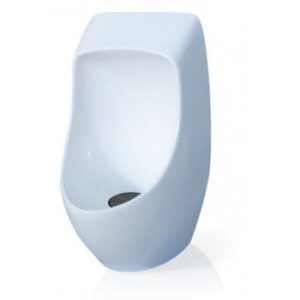
The appeal of installing waterless urinals often boils down to two main categories. Those two categories are water conservation (traditional urinals can use up to 26,000 gallons per year) and lower water costs. These are excellent reasons to explore the feasibility of waterless urinals. Just be aware there may be some hidden costs you’ll need to research before making a move.
A huge factor in whether waterless urinals are suitable for you is the existing plumbing in your building. Aged plumbing not designed for a waterless application creates extra costs in service repairs. In addition, moving to a waterless system could highlight existing pipe problems and create new issues if the pipes are on an upward slope. Manufacturers recommend that drain lines slope down at least ¼ inch per foot to ensure proper drainage.
Waterless Urinal Maintenance
While these urinals are water-free, they are not maintenance-free fixtures. Part of the waterless urinal system involves urine passing through a cartridge. The cartridge prevents odors and sewer gases from entering the restroom through the pipe. A layer of liquid sealant forms a seal inside the cartridge.
Changing the cartridges in waterless urinals needs to happen regularly. In addition to changing the cartridges, the pipes will need to be flushed out with a small amount of water from time to time. These costs need to be accounted for and weighed against the current costs of your building’s traditional urinals.
Looking for an Expert Opinion?
Being conscious of our environmental footprint and looking for ways to lower water usage are excellent reasons to consider waterless urinals. ColonialWebb has experience working with customers who want to switch to a waterless system and customers who have switched back to traditional fixtures. If you’re looking for a consultation or more information about waterless urinal systems, contact us here, and we’ll be happy to guide you in making the best choice for your building.
Interest in indoor air quality (IAQ) has grown significantly in recent years as organizations place a greater emphasis on creating healthier, more comfortable indoor environments. Business leaders, facility managers, and building owners increasingly recognize that HVAC systems play a critical role in supporting occupant health through proper ventilation, filtration, and air distribution.
That increased focus has prompted many organizations to evaluate how their buildings support the people inside them. Questions about ventilation, filtration, humidity control, and reducing airborne contaminants have become an important part of facility planning and operations. While expectations around IAQ have evolved, the fundamentals of creating a healthy indoor environment remain the same.
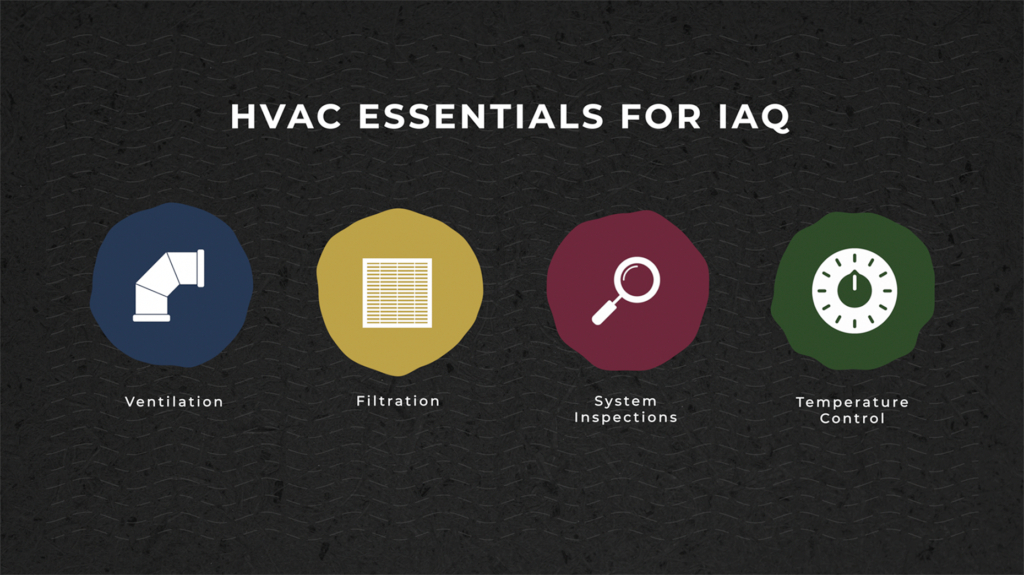
Whether you’re managing an office building, healthcare facility, manufacturing plant, or educational campus, four core principles should be the foundation of every indoor air quality strategy:
Ventilation
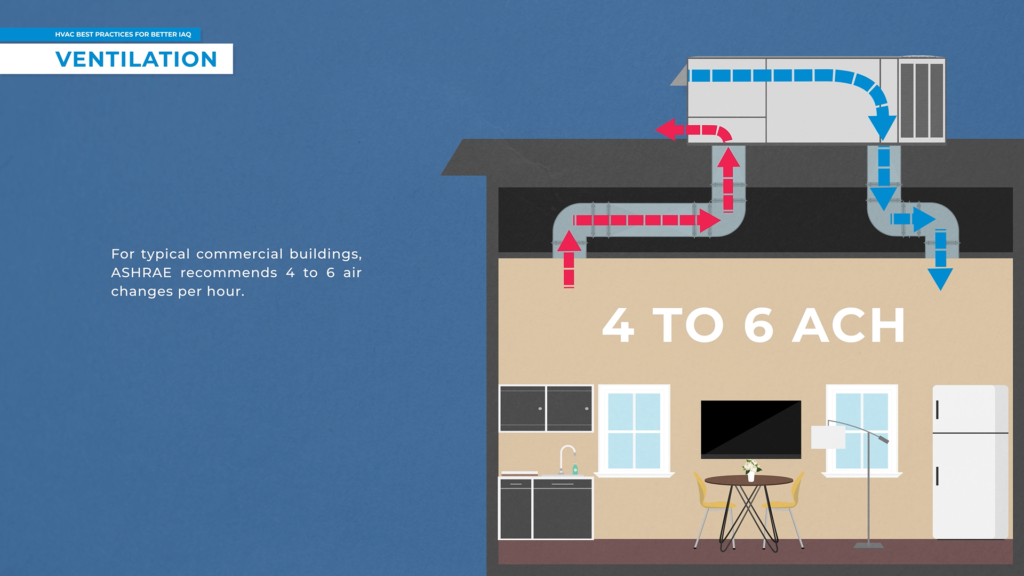
Ventilation plays a critical role in maintaining healthy, comfortable indoor environments. By bringing fresh outdoor air into a building and exhausting stale indoor air, a properly designed and maintained ventilation system helps dilute indoor contaminants, control odors, and support overall indoor air quality.
Providing the right amount of outdoor air is essential. At a minimum, commercial buildings should meet the ventilation rates established by local building codes and applicable industry standards. Verifying that outdoor air and exhaust systems are operating as intended often requires testing, adjusting, and balancing (TAB)—a specialized service that measures airflow and ensures your HVAC system is performing as designed.
Increasing outdoor air ventilation can improve indoor air quality, but it may also increase energy use if not managed properly. Strategies such as energy recovery ventilators (ERVs), demand-controlled ventilation, and well-sealed building envelopes can help maintain healthy indoor environments while minimizing the impact on energy consumption.
Filtration
Kind of like the lungs of an HVAC system, filters ensure that air circulating through a building is refined for human consumption — they trap particulates and contaminants that can affect our well-being. Therefore, it is important to ensure filters are replaced at the appropriate times and not get overloaded between changes.
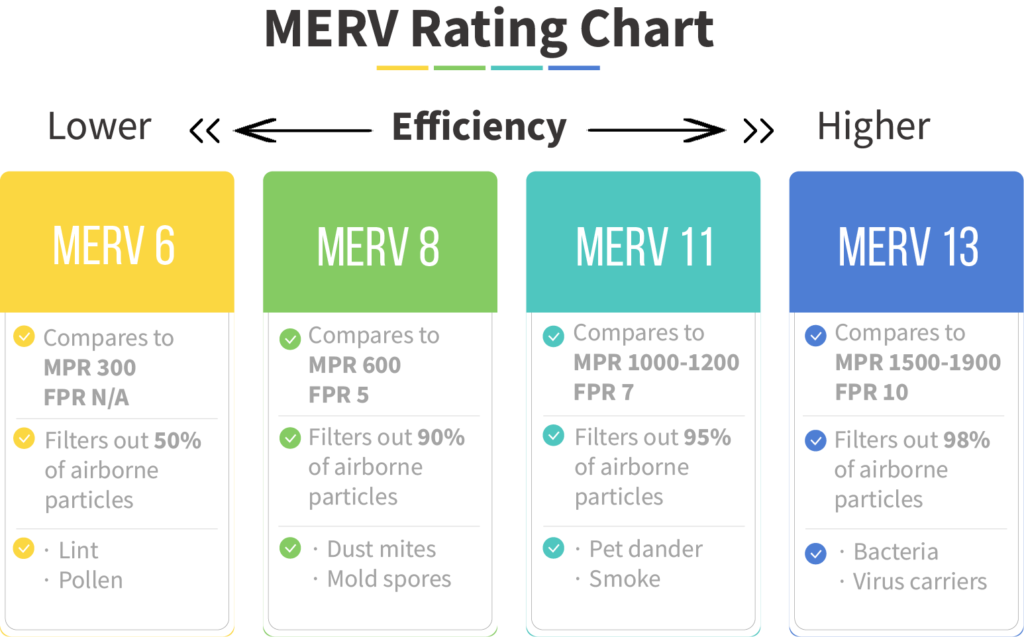
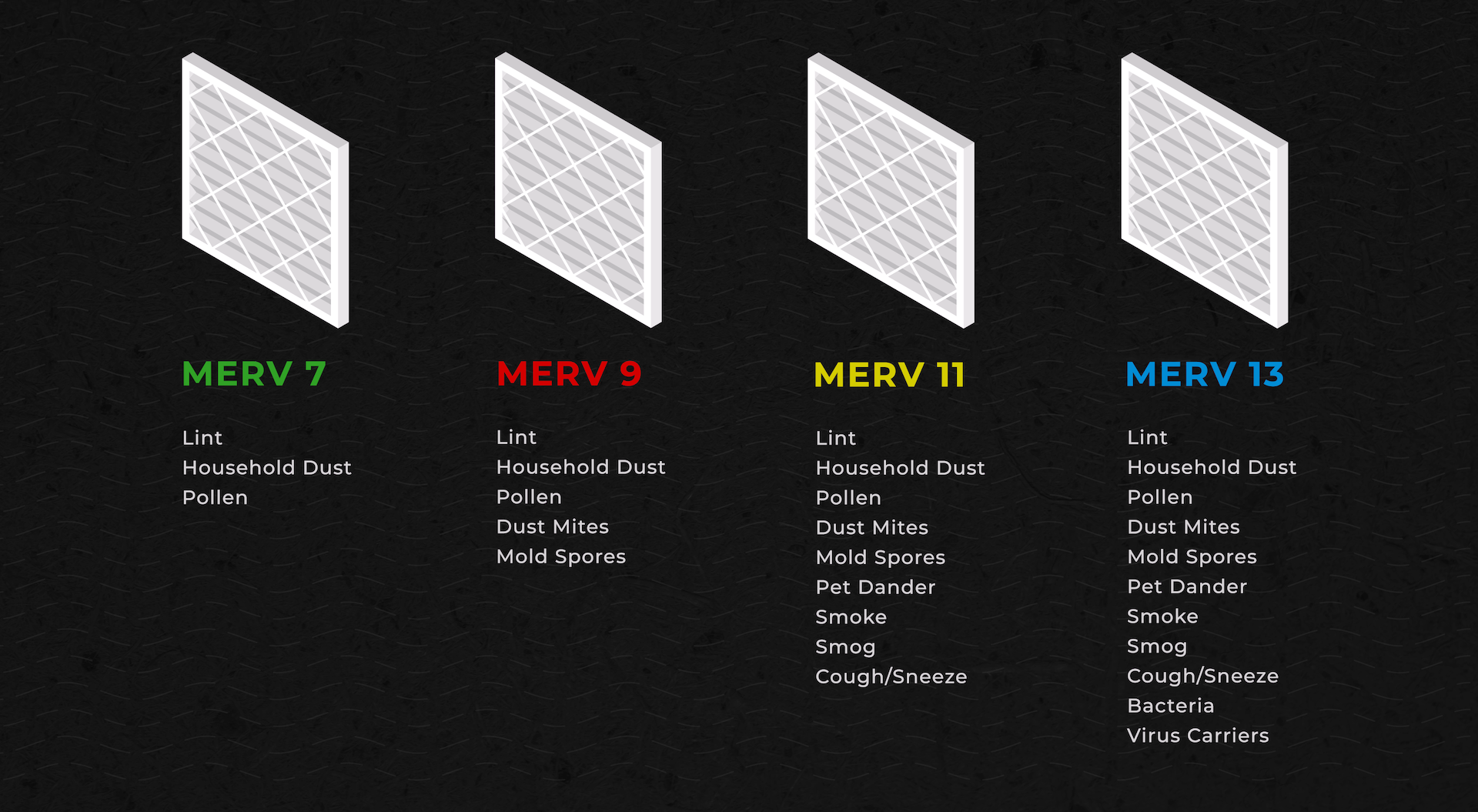
According to ASHRAE, a filter rating of MERV 13 is recommended for most building systems. If this isn’t doable, then at the very least, have a minimum of MERV 11 filters. The chart below depicts the overall effectiveness of various MERV-rated filters. The higher the MERV rating, the more effective the filter is at capturing certain types of particles, such as bacteria and virus carriers.
Check out our blog post for more insights into MERV ratings.
System Inspections
The third essential for good IAQ is HVAC System Inspections. Much like taking your car to a mechanic for an inspection or going to the doctor for a yearly physical, your HVAC system needs to be thoroughly reviewed and assessed by experienced HVAC professionals to confirm that all system components function properly. This includes everything from temperature and thermostat checks to inspections of cooling systems, electrical connections, refrigerant levels, safety measures, coils, pressure, and more.
Filters are not the only thing that needs to be maintained in your system, so make sure to check your HVAC service agreement to ensure that comprehensive system inspections are indeed happening. Additionally, ensure that at least one Performance Level Inspection is included in your agreement. This will provide insight into the efficiency of your system and documentation for future maintenance or upgrades.
Temperature Control
A comfortable indoor environment is about more than convenience—it’s essential to occupant comfort, productivity, and overall building performance. Inconsistent temperatures, frequent hot and cold calls, and spaces that never seem to reach the desired setpoint can disrupt daily operations and create unnecessary frustration for occupants.
Maintaining consistent temperatures requires more than adjusting a thermostat. It depends on properly functioning HVAC equipment, balanced airflow, and controls that respond to changing building conditions. Building automation systems (BAS) can further enhance performance by continuously monitoring and adjusting equipment to maintain comfort while optimizing energy use.
Whether you’re managing an office, healthcare facility, school, or industrial space, maintaining a stable indoor environment helps create a more comfortable experience for occupants while supporting the efficient operation of your building.
.
Conclusion
Improving indoor air quality doesn’t have to be overwhelming. The first step is understanding how your building operates, how its HVAC systems perform, and how occupants use the space. From there, you can identify practical opportunities to improve ventilation, filtration, temperature control, and overall system performance.
Small improvements can make a meaningful difference. A well-maintained HVAC system helps create healthier, more comfortable indoor environments while supporting energy efficiency, reducing unexpected maintenance issues, and extending the life of your equipment.
If you’re looking to improve the indoor air quality in your commercial facility, ColonialWebb can help. Our experts can assess your existing HVAC system, identify opportunities for improvement, and recommend solutions that align with your building’s needs and operational goals.
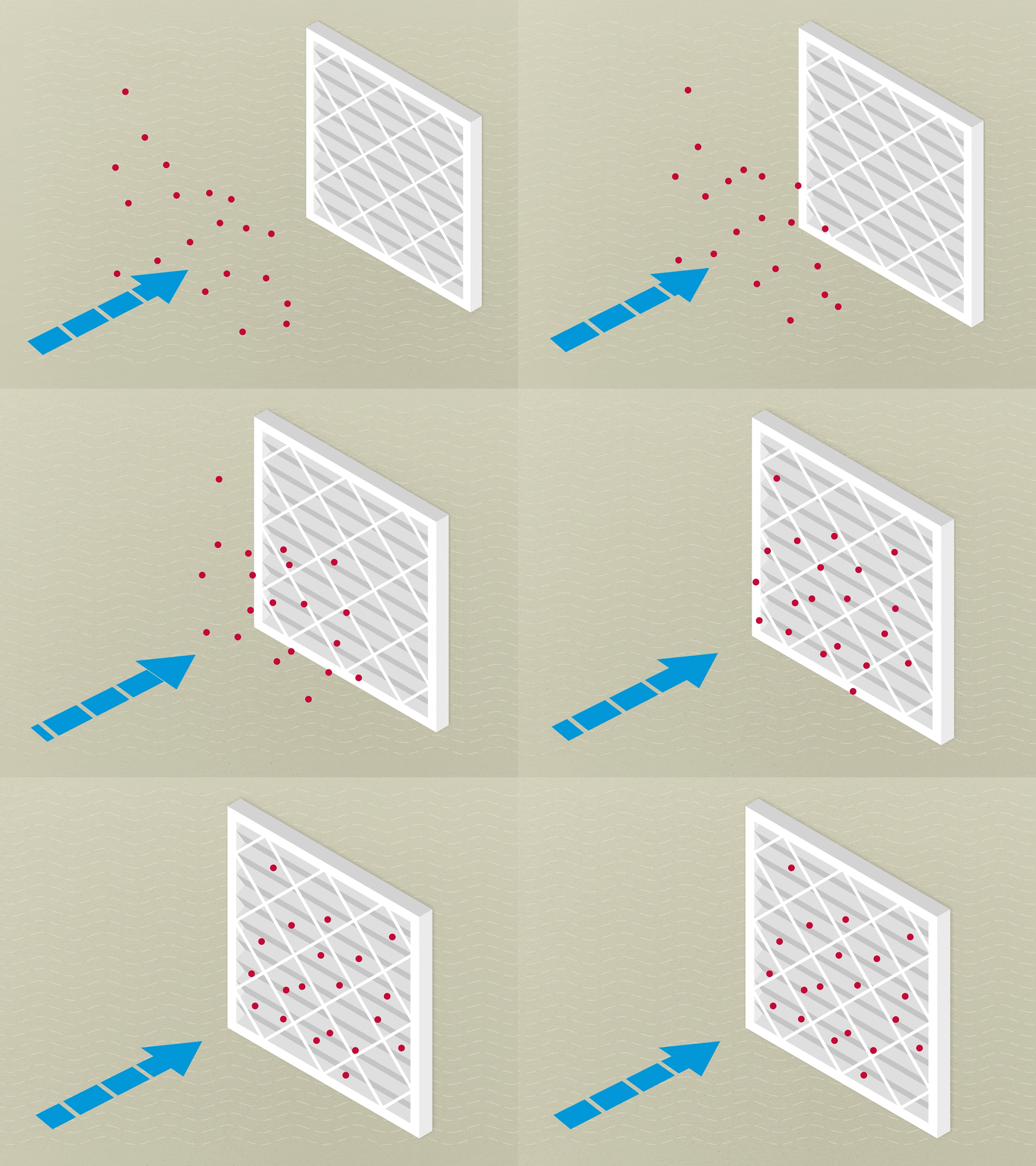
If you work with HVAC systems, then you might already know quite a bit about air filtration. After all, changing air filters is the cornerstone of most service agreements; it’s one of those things that has to be done regularly and can mean the difference between good and bad indoor air. Filtration is like the gatekeeper, or first line of defense in any HVAC system — contaminants are on the offense and have to be stopped by filters before entering recirculated air.
An animation of a filter capturing contaminants
To capture airborne contaminants, your HVAC system relies on air filters. But not all filters perform the same. That’s where MERV (Minimum Efficiency Reporting Value) ratings come in.
Developed by ASHRAE (the American Society of Heating, Refrigerating and Air-Conditioning Engineers), the MERV rating is the industry standard for measuring how effectively an air filter captures airborne particles. Ratings range from 1 to 20, with higher numbers indicating a filter’s ability to trap smaller particles.
A filter with a higher MERV rating, such as a MERV 13 filter, captures smaller particulates than a filter with a lower rating, such as a MERV 8.
Lower-rated filters tend to be in places such as residential spaces, while higher-rated filters tend to be in communal or commercialized spaces with larger HVAC systems.
More filtration isn’t always better. While a MERV 17 filter might make sense for a space like a surgical room in a hospital where sanitation is of the utmost importance, it wouldn’t make sense in a large commercial building because the filter’s smaller pores will block more airflow in a system.
The graphic below will give you a broad view of common applications and the sizes/types of contaminants captured for different MERV rated filters:
If you are responsible for HVAC systems in a commercial space, we recommend using MERV 13 filters at ColonialWebb, especially if you are looking to take the necessary steps to improve your Indoor Air Quality (IAQ). If your system doesn’t allow MERV 13 or the added cost is simply out of the equation, then the next best thing is MERV 11.
The filtration needs of any indoor environment differ depending on the size, use, and number of occupants. Regardless, it is important to make sure that you are supplying tenants with air that will keep them comfortable and healthy.
If you are looking for more information on indoor air quality, we recently published a long-form blog post, Why Indoor Air Quality Matters, that serves as a great introduction to the topic. Additionally, if you are responsible for the HVAC systems in your buildings, you might be interested in learning more about ColonialWebb’s HVAC and Indoor Air Quality services. We hope this post helped you learn more about the MERV rating system!
Commercial HVAC systems play a critical role in keeping buildings comfortable, productive, and operating efficiently. Whether you own a facility or manage one for your tenants, unexpected HVAC issues can disrupt daily operations, create uncomfortable indoor environments, and lead to costly repairs.
The good news is that many of these issues can be prevented through a proactive maintenance program. Routine HVAC maintenance includes scheduled inspections, testing, cleaning, and adjustments that help identify potential problems before they become major failures. Performed on a regular schedule by trained technicians, preventive maintenance helps improve system reliability, extend equipment life, optimize energy efficiency, and reduce the likelihood of unexpected downtime.
Below are some of the most common questions we hear from building owners and facility managers about commercial HVAC maintenance.
Q: What kind of routine maintenance does my commercial HVAC system require?A: The type of commercial HVAC Routine Maintenance required for your system depends on whether a technician is looking at your cooling, heating, or air ventilation setup. The CW team is experts at understanding the different parts of your HVAC system, and we offer various routine maintenance plans that can be customized to your needs.Q: How much is that going to cost me?A: There’s no one-size-fits-all answer to this question. The cost depends on numerous factors, including things like:
The size of your building
Location (or region) of system
Age of unit
The type of unit. Typically, older units need more energy to produce the same amount of heat or air as newer units. And some models are more energy-efficient than others, which helps save money over time.
Q: What is the life expectancy of my equipment with Routine Maintenance? A: Your system should last between 10 and 20 years, given the proper care. If you want to dig deeper, ASHRAE has put together a list of the life expectancy for most HVAC-R equipment.
If you aren’t performing routine maintenance on your mechanical equipment, look no further. At ColonialWebb, we are experts at maintaining HVAC equipment. Whether it’s routine maintenance, repairs, retrofits, or installs, we have all of your commercial HVAC needs covered. For more information, Click Here.
Have you ever pulled on a building’s entrance door only to find it unusually difficult to open, followed by a noticeable rush of air once it does? That’s often a sign of negative air pressure.
Negative air pressure occurs when a building exhausts more air than it brings in, creating lower air pressure inside than outside. As a result, outdoor air is drawn into the building through doors, windows, and other openings, or through small gaps and cracks in the building envelope. This condition is often most noticeable during periods of extreme heat or cold, when HVAC systems are working their hardest.
Buildings with large exhaust systems, such as restaurants, commercial kitchens, and certain industrial facilities, are especially susceptible. If the makeup air system isn’t providing enough replacement air, or isn’t operating at all, the building can quickly develop negative pressure.
Negative air pressure can lead to a variety of problems. Unconditioned, unfiltered outdoor air infiltrates the building, making it more difficult to maintain comfortable indoor temperatures, increasing HVAC energy consumption, and contributing to occupant comfort complaints. Over time, it can also place additional strain on your HVAC system.
The goal for most commercial buildings is to maintain slight positive air pressure, meaning the building brings in just enough outdoor air to replace exhausted air while maintaining a small amount of conditioned air flowing outward through doors and other openings. This helps prevent unfiltered outdoor air from entering the building and supports a healthier, more comfortable indoor environment.
Achieving the proper building pressure requires a balanced HVAC system. Outdoor air dampers, makeup air units, exhaust systems, and building controls all work together to maintain the correct airflow. If one component isn’t operating properly, the entire building can be affected.
If you’re experiencing hard-to-open doors, persistent comfort complaints, unexplained increases in energy costs, or suspect your building may have an air balance issue, ColonialWebb can help. Our HVAC experts can evaluate your building’s ventilation and air balance to identify the cause and recommend the appropriate solution.
Low-flow toilets have become increasingly common in both commercial and residential buildings, and for good reason. Designed to use less water per flush than older models, they help reduce water consumption, lower utility costs, and support sustainability goals.
Despite their growing popularity, they still come with a common misconception: that using less water means sacrificing flushing performance.
So, are low-flow toilets worth it? Let’s take a closer look at the facts.
The truth is, there are a few factors that business owners should consider when it comes to low-flow toilets. First, as the name suggests, these toilets use way less water than a traditional high-flow toilet, an obvious benefit. The EPA has even concluded that switching to low-flow toilets can save you hundreds of dollars each year. And let’s not forget that using less water is an excellent option for an environmentally friendly bathroom and an attractive way to go green.
The most apparent disadvantage of low-flow toilets is that they aren’t quite as effective as traditional models at flushing waste, primarily because of their overall water-saving design. In addition, the low water volume can lead to problems like clogging and foul odors. Another concern that business owners should keep in mind is that low-flow toilet installations can sometimes be tricky to implement in existing plumbing systems, which depends mainly on the age of your property. The waste piping in older buildings was not installed with the proper fall or pitch to support these fixtures, which unfortunately causes more clogs. In addition, these older properties have galvanized steel or cast iron drain pipes that, over time, become corroded and rusty. And if an older property upgrades to low-flow toilets, there is often not enough water to keep waste moving through the pipes.
Many customers endure numerous service calls before concluding that the water savings from the low-flow toilets cost more. Of course, we all agree that we should be responsible and environmentally friendly. However, having to flush three or four times for one sitting, buying multiple plungers, using cheap toilet paper, and even utilizing professional jetting services is not worth the water savings of installing low-flow toilets.
The bottom line is that building owners should keep these things in mind when installing low-flow toilets in their facilities, as it could be more expensive in the long run.
When investing in a building automation system (BAS), one of the most important decisions isn’t the hardware; it’s how your system communicates.
Building automation systems rely on communication protocols that allow HVAC equipment, lighting, and other building systems to exchange information. Some systems use open protocols, while others rely on proprietary (closed) protocols. Understanding the difference can significantly affect the flexibility, serviceability, and long-term cost of your building automation system.
An open protocol is an industry-standard method of communication that allows equipment from different manufacturers to work together. This gives building owners greater flexibility when expanding their system, upgrading equipment, or selecting a service provider. Rather than being tied to a single manufacturer, you have the freedom to work with qualified building automation contractors who understand open systems.
A proprietary (closed) system, on the other hand, is typically designed around a single manufacturer’s equipment and software. While these systems can perform well, they often limit your options for future upgrades and service. In many cases, only authorized representatives of that manufacturer can make programming changes or perform certain repairs, which may result in higher service costs and fewer choices over the life of the system.
For many building owners, an open protocol BAS offers greater flexibility, easier integration with new technologies, and the ability to adapt as building needs evolve.
If you’re considering upgrading or replacing your building automation system, ask whether it uses an open or proprietary protocol—and what that means for future service, expansion, and long-term ownership costs. The answer can have a lasting impact on your building’s performance and your operational flexibility.
ColonialWebb designs, installs, and services open building automation systems that help customers maximize flexibility while supporting long-term building performance. If you’d like to learn more about our building automation services or discuss the right solution for your facility, our team is here to help.
We use cookies and similar technologies to improve your experience on our website.
Read our Privacy Policy.